

- Service area · Mornington Peninsula, VIC
- ARC licence L062149
- VBA 50861
Air conditioning installation on the Mornington Peninsula.
Smart Climate is a residential heating and cooling installer based in Tyabb 3913, on the Peninsula itself. We install split systems and ducted air conditioning from Mount Eliza, Mornington and Mount Martha down to Sorrento and Flinders, and across to Frankston.
Licensed installers
ARC L062149 · VBA 50861
Brands we install
Daikin · Mitsubishi Electric · Fujitsu · Panasonic
5-year warranty
On most premium units
Free in-home assessment
Sized to the room, not the catalogue
Local · Mount Eliza to Sorrento
Coastal installations across the Peninsula, specified for salt air and sited so they last.
Local
Based on the Peninsula
Not a metro operator driving down
6
Suburbs we work in most
Mount Eliza through to Flinders
4
Coastal-grade brands
Daikin, Mitsubishi, Fujitsu, Panasonic
$0
To get honest advice
Assessment first, no obligation
Why local matters
Coastal installs are genuinely different.
Most air conditioning companies treat the Mornington Peninsula like any other suburb of Melbourne. It is not, and the difference sits mostly in the outdoor unit.
01 / Salt air
Salt air is hard on equipment.
Homes near the bay sit in salt-laden air all year. A standard outdoor unit corrodes faster there, and a corroded coil loses efficiency long before it fails. For homes close to the water in Portsea, Sorrento, Mount Martha and along the Mornington foreshore we specify coastal-grade units or coated coils, and we choose a position out of the salt spray and prevailing wind. The right unit, sited well, lasts.
02 / Holiday homes
Holiday homes have a different job to do.
Many Peninsula homes are holiday or weekend homes that sit empty, then need to heat or cool quickly on a Friday night. That favours systems that reach temperature fast, run room by room, and work reliably after months idle. Remote control from your phone is part of the installation where it helps.
03 / Housing stock
The housing stock is older and more varied.
The Peninsula has weatherboard, period homes and houses extended over decades. Ceiling space, insulation and existing ducting vary wildly, so a system that suits a new build in Mornington will not suit a 1920s cottage in Sorrento. We assess the building before we choose the system.
What a coastal installation includes:
- A coastal-grade outdoor unit, or a coated coil, for homes near the water
- A sheltered outdoor position, out of the salt spray and prevailing wind
- Sizing for an exposed, often older and less insulated home
- Remote control set up where the home sits empty between visits
- Work done under ARC refrigerant licence L062149 and VBA registration 50861
Choosing a system
Which system suits your Peninsula home.
A/01
Split system air conditioning
The workhorse for the Peninsula. A split system cools and heats one room or zone, reaches temperature quickly and suits holiday homes, extensions, bedrooms and period homes where ducting is difficult. For many Peninsula homes one well-chosen split system, or a few of them, is the right answer.
Detail →
A/02
Ducted refrigerated air conditioning
One system conditions the whole home through concealed ducts, with zoning so you only run the rooms you are using. It is the premium answer for larger family homes in Mount Eliza and Mount Martha, and for new builds where the ductwork can be planned in from the start.
Detail →
A/04
Evaporative cooling
Suits the Peninsula climate well, because the dry sea breeze is exactly the condition it works best in. It uses fresh outside air and costs less to run on hot dry days. We are honest about where it does not suit, and the assessment is where we work that out.
Detail →
A/03
Heating: gas, hydronic and feature
Ducted gas heating, hydronic central heating and gas log fires and feature heaters cover the heating side, from fast whole-home warmth to the silent radiant heat of hydronic underfloor in a considered coastal build.
Detail →
If you are not sure which type of system fits, that is what the free in-home assessment is for. We would rather work it out on site than sell you a system over the phone or by email.
The suburbs we work in
We service the whole Peninsula.
These are the areas we are in most often, and a note on what we tend to see in each.
Mount Eliza
Established family homes, many of them large, and a lot of whole-of-home ducted and multi-head split work. Good ceiling space in the newer stock makes ducted refrigerated straightforward here.
Mornington
The township and the surrounding homes are a mix of everything, from apartments near the centre to family homes on bigger blocks. Split systems and ducted both feature heavily.
Mount Martha
Larger homes, many with a view and a position that catches the weather. Coastal siting of the outdoor unit matters here, and we spend time getting it right. See our air conditioning Mount Martha page.
Portsea and Sorrento
Holiday and period-home territory, close to the water. Salt air, homes that sit empty then need to perform on arrival, and older buildings where ducting is a real design question. This is where local experience earns its keep.
Flinders
Quieter, more exposed, and often period or architect-designed homes where the system needs to be right and unobtrusive. Hydronic heating and carefully sited cooling suit this end of the Peninsula.
Not listed?
We also work in Rye, Dromana, Red Hill, Hastings, Rosebud and Frankston. If your suburb is not here, call us on 1800 577 522 and we will tell you honestly whether we cover it.
Areas we install in:
- Mount Eliza
- Mornington
- Mount Martha
- Portsea
- Sorrento
- Flinders
- Rye
- Dromana
- Red Hill
- Hastings
- Rosebud
- Frankston
- Tyabb
What it costs
What it costs to install air conditioning.
This is one of the most common questions we get, so here are our starting prices, followed by the honest answer on what moves them.
A single-room split system starts from $1,600, and a three-room multi-head system from $4,990. Adding refrigerated cooling to existing ducted heating starts from $4,900. Whole-home ducted cooling starts from $6,990 for a small house, and most houses come in around $11,000. These are indicative starting prices, and the firm figure comes from the assessment.
What moves the number on the Peninsula is the home and the site. A single split in an accessible room is at the lower end. Whole-home ducted is a bigger installation, with more equipment, ductwork and electrical work. Coastal siting, a holiday home that needs remote control, and older weatherboard homes that take more care with routing all add to it. We look at the home, work out what suits it, and give you an itemised written quote. See all our starting prices →
Running costs
Ducted or split: which is cheaper to run.
The honest answer is that it depends on how much of your home you are actually conditioning.
A split system heating or cooling one room costs less to run than a ducted system, because it is treating less space. If you spend your evenings in one living area, one split running that room is the efficient choice.
A ducted system doing the whole house uses more energy because it is doing more. Zoning controls that cost. Run only the rooms you are using and a well-zoned ducted system behaves much like a couple of splits.
For a holiday home used a few weekends a month, splits are usually cheaper and more sensible. For a full-time family home where every room is lived in, a zoned ducted system is often worth it. We work that out with you at the assessment.
On brands
Brands, and buying the cheapest box.
Two of the questions Peninsula homeowners ask us most are which brands to avoid and which is the most reliable. Here is our honest position.
The brand matters less than most people think, and the installation matters far more. A premium unit sized wrong or fitted badly will underperform a mid-range unit that was specified and installed properly.
That said, the reliability of a brand does come down to two practical things: build quality, and whether there is local parts and service support when something goes wrong in five years.
Brands we install and stand behind
DAIKINMITSUBISHI ELECTRICFUJITSUPANASONIC
We install Daikin, Mitsubishi Electric, Fujitsu and Panasonic. All four have long track records in Australian conditions and local parts and service support, which is the real reason we stand behind them.
The units we steer you away from are the cheapest no-name systems sold online with no local backing. They look like a bargain until you need a part. If you have already bought a unit online and only need it fitted, we will say so honestly and point you to a supply-only installer. Plenty of installers compete on the cheapest box they can fit. We do not.
How we work
Every job starts with an assessment.
We come to your home, look at the building properly, ask how you use each space, and recommend a system that suits it. Every installation is done under ARC refrigerant licence L062149 and VBA registration 50861.
i.
We visit
We come to your home and look at the building properly, not over the phone. On the Peninsula that usually means checking the roof cavity, the ceiling space and how exposed the outdoor unit position is.
ii.
We ask
How you use each space, room by room, so the system fits the way you live. A holiday home and a full-time family home get different answers.
iii.
We quote
A clear written quote. Where there is a real choice, we lay out the options and the trade-offs rather than steering you to one number.
iv.
We install
A clean install on an honest timeline, and you deal with the same team from the first visit through to handover.
Recent work
Recent work.
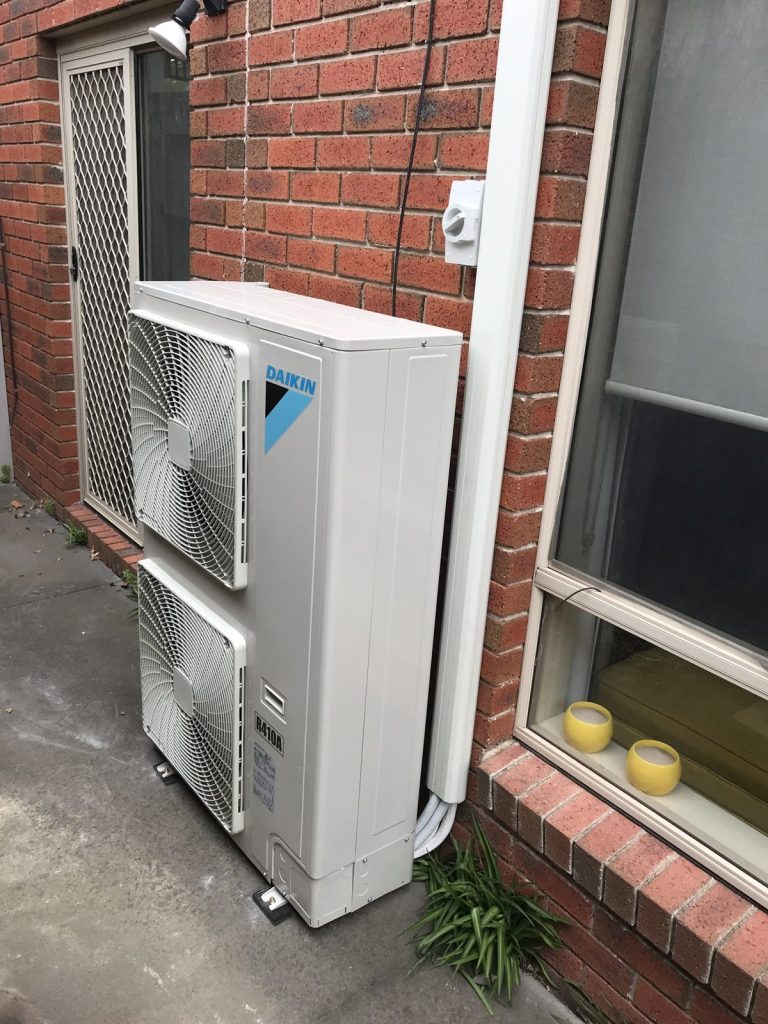
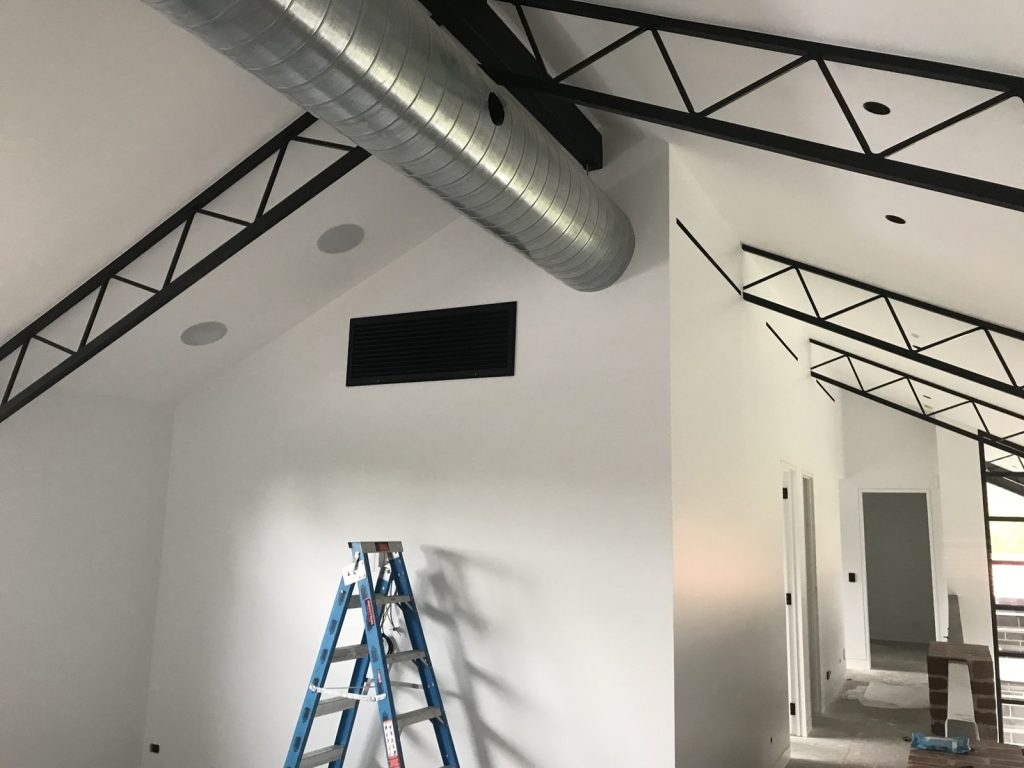
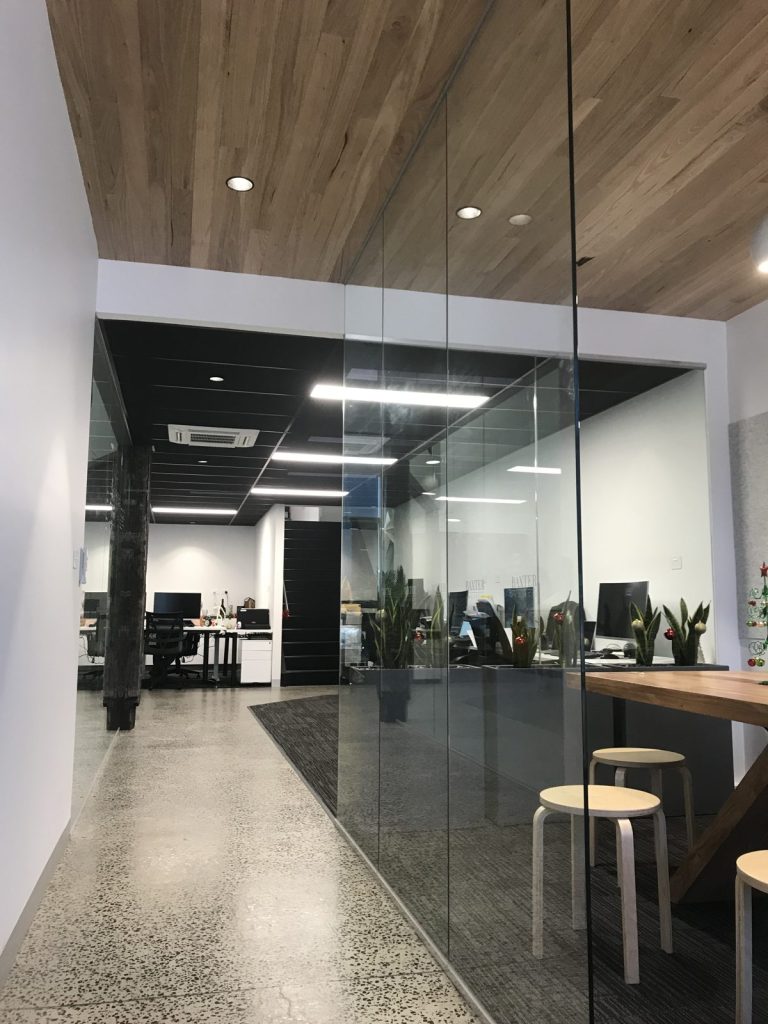
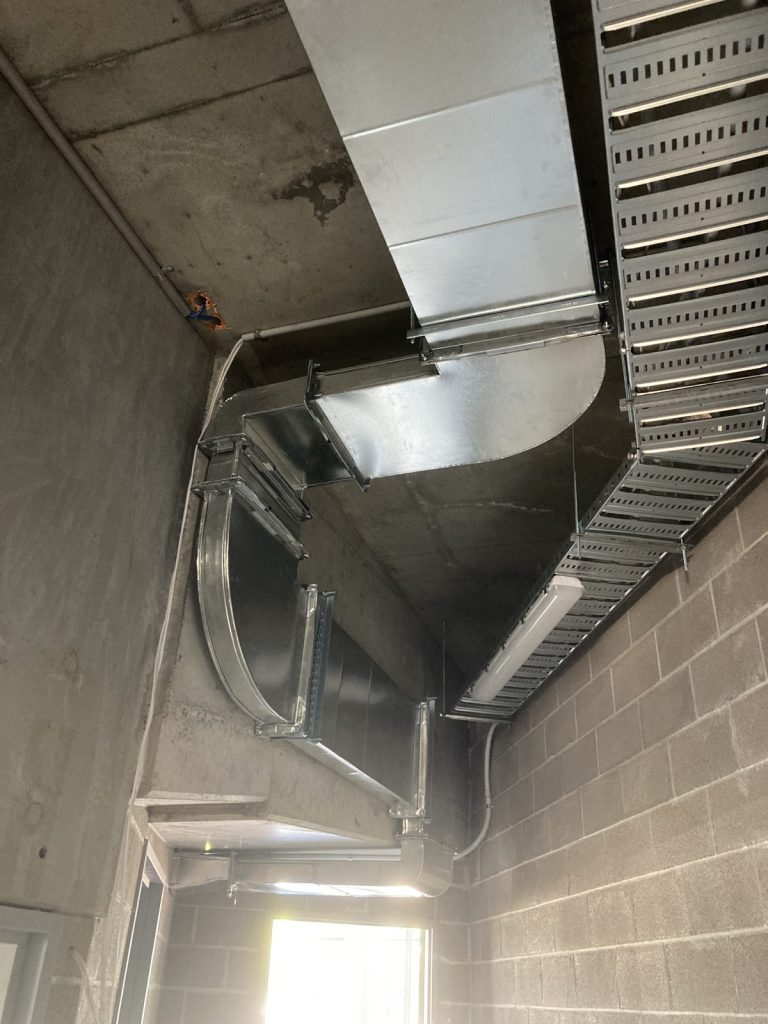
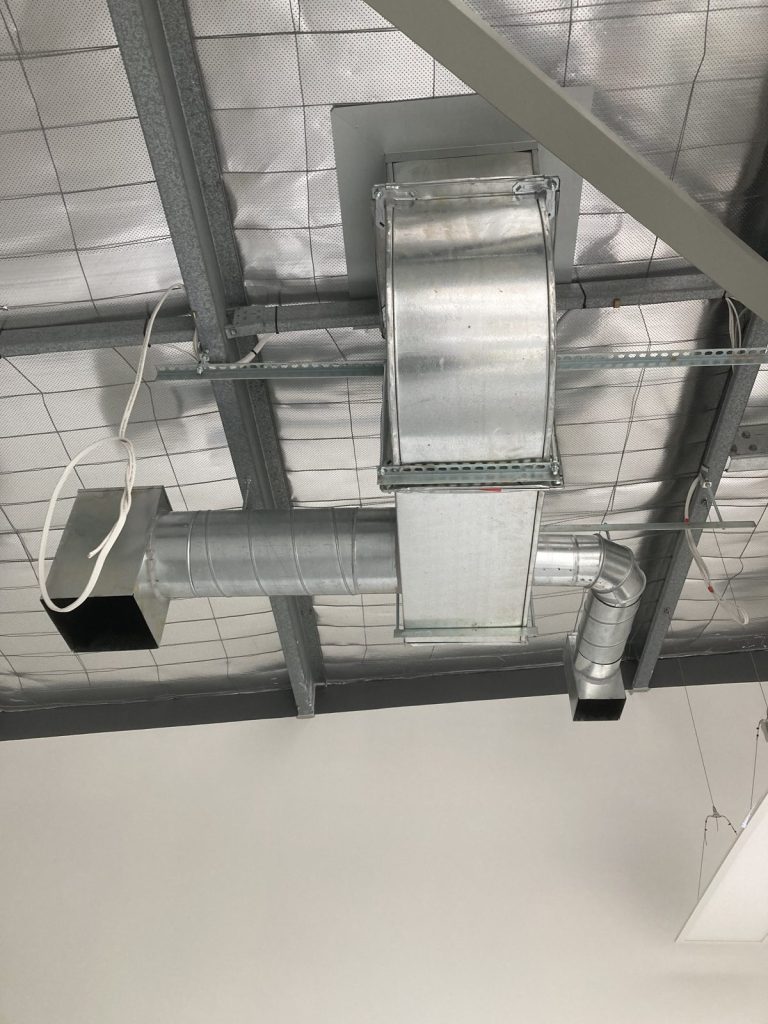
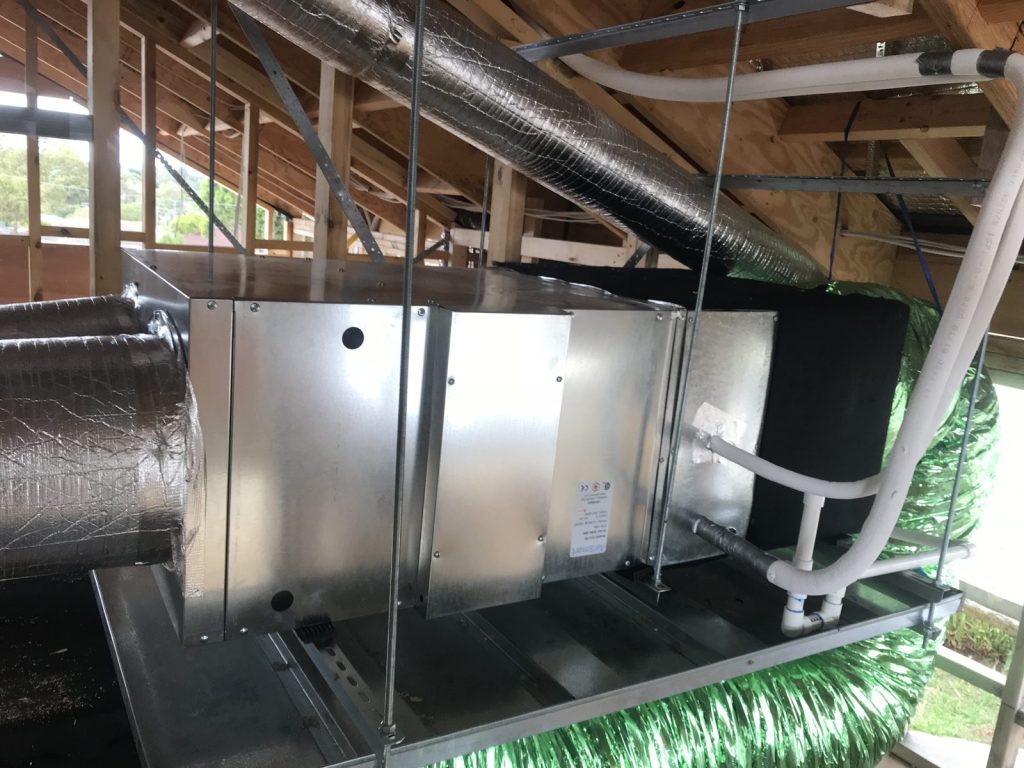
Splits, ducted systems and the ductwork behind them, installed by our own team across the Peninsula and Melbourne. The quality is in the details you do not usually see, the sheet metal and the line runs, and we provide the same finish on a single bedroom unit as on a whole-home system.
Reviews
What customers say.
Nine Google reviews so far, all five stars, many of them from Peninsula homes. Customers mention expert advice, installers who turn up on time, and a clean site afterwards. Our job is to ensure the comfort you were promised, not to offer a solution and leave. If you would like to talk it through, call or email and we will be in touch.
★★★★★
“Excellent advice and the perfect system”
Kris has advised and installed split systems in two of our homes over the past few years. He offered excellent advice and the perfect system for our needs. Installed quickly and set us up ready to go. Highly recommend to anyone on the peninsula or beyond!
★★★★★
“The work was impeccable”
Smart Climate were a pleasure to deal with. Chris was courteous and professional. The work was impeccable and all the friendly guys cleaned up after themselves. Top quality service.
★★★★★
“On time and on budget”
Thanks for replacing the old split with a reverse cycle. The ceiling linear and bar grilles are a huge improvement. On time and on budget.
★★★★★
“From the quote through to completion, very happy”
Thank you. From the quote and advice through to completion, very happy. Appreciate the advice and timely manner. Happily recommend to others.
★★★★★
“Communication made it an easy process”
The communication from Kris made this such an easy process, thanks so much. Recommending to all my friends.
★★★★★
“Neatly done and cleaned up”
They did a great job, showed up on time. Everything was neatly done and they cleaned up afterwards.
Mornington Peninsula FAQs
The honest answers, up front.
If your question is not here, call us on 1800 577 522, Monday to Friday 8am to 6pm, or email and we will answer it straight.
Do you actually service the whole Mornington Peninsula?
Yes. We are based on the Peninsula and work across it, from Mount Eliza and Mornington through to Mount Martha, Portsea, Sorrento and Flinders, as well as the surrounding towns. If you are unsure whether we reach your suburb, call us on 1800 577 522 and we will tell you straight away.
How much does air conditioning cost on the Mornington Peninsula?
Split systems start from $1,600 for one room and $4,990 for a three-room multi-head. Whole-home ducted cooling starts from $6,990 for a small house, most houses around $11,000, and add-on cooling to existing ducted heating from $4,900. Indicative starting prices; the firm figure comes from the free in-home assessment. See all our air conditioning prices.
Which is cheaper to run, a ducted or a split system?
It depends how much of the home you condition. One split running one room costs less than a ducted system running the whole house. A well-zoned ducted system running only the rooms in use comes much closer. Holiday home, splits. Full-time family home, zoned ducted is often worth it.
What is the $5000 rule for air conditioning?
Multiply the age of the system in years by the cost of the repair. Over 5000 dollars, replacement is usually the better long-term choice. It is a rough guide, and an assessment of the system’s age, parts support and install quality is the more reliable way to decide.
Which air conditioning brands should I stay away from?
The ones to be cautious of are the cheapest no-name units sold online with no local parts or service support, because a bargain unit is no bargain when you cannot get it repaired. The brand matters less than correct sizing and installation. We install established brands with proper Australian support behind them, and we are happy to explain why at the assessment.
What is the most reliable air conditioner brand in Australia?
No single brand wins outright, because reliability depends heavily on correct sizing and installation. That said, the established Japanese brands we install, including Daikin, Mitsubishi Electric, Fujitsu and Panasonic, have strong track records in Australian conditions and good local support, which is why we stand behind them.
Does salt air really affect air conditioning near the coast?
Yes. Salt-laden air corrodes standard outdoor units faster, and a corroded coil loses efficiency before it fails. For homes near the water we specify units with anti-corrosion coatings or coastal-grade housings and site the outdoor unit to limit its exposure to salt spray and wind. It is one of the main reasons a local installer gives a better coastal result.
Can you install air conditioning in an older or period home?
Yes, and it is a large part of what we do on the Peninsula. Older weatherboard and period homes often have limited ceiling space and no existing ducting, which makes split systems a common answer, though ducted can work with the right design. We assess the building first rather than assume, so the recommendation fits the house.
Do coastal homes need special air conditioning?
Near the water, yes. Salt air corrodes a standard outdoor unit, so we specify a coastal-grade unit or a coated coil and site it out of the spray and wind. Further inland on the Peninsula a standard unit sited well is fine. The assessment tells us which your home needs. See our split system installation page for how the units differ.
Is ducted air conditioning worth it on the Peninsula, or are split systems enough?
For a holiday home or a smaller house, two or three well-placed splits usually do the job for less. For a larger full-time family home, zoned ducted refrigerated air conditioning gives even comfort in every room and is often worth the higher installation cost. Older homes with no ceiling space are usually split territory whatever their size.
Do you do air conditioning repairs or servicing?
No. We install and replace heating and cooling systems, and we do not do repair callouts, servicing or commercial work. If your system has a fault, a service company is the right call. If it is old enough that repair no longer makes sense, we will give you an honest replacement quote. The one piece of maintenance we do ask of you is cleaning the filters each season.
How do I get started?
Book an assessment through the website or call 1800 577 522. We visit your home, look at it properly, and give you an honest recommendation and a written quote. There is no obligation and no pressure to take the biggest system we can sell.
Talk to a local team
Air conditioning that suits your Peninsula home.
If you want air conditioning installed properly on the Peninsula by a local heating and cooling team that works here every week, we would be glad to help. Request a free in-home assessment and we will be in touch.
Based on the PeninsulaHonest sizing, no upsell